Current Prices of Maize Seeds in Uganda: A Complete Guide
Maize is the backbone of Uganda's agriculture, feeding millions and supporting countless livelihoods. Whether you are a smallholder farmer or a commercial producer, understanding the price of maize seeds in Uganda is essential for planning your planting season and maximizing your returns. This comprehensive guide breaks down current market prices, the factors that influence them, and how to make the best purchasing decisions for your farm.
Factors Influencing Maize Seed Prices
The prices of maize seeds in Uganda are influenced by several interconnected factors. Firstly, the cost of production plays a crucial role. This includes land preparation, planting, fertilization, pest control, harvesting, and post-harvest processing. Additionally, packaging and transportation costs directly affect the final price farmers pay. Seed producers must balance operational costs with fair pricing to remain sustainable.
Secondly, supply and demand dynamics create price fluctuations. During peak planting seasons (typically March and September), demand surges, often driving prices higher. Conversely, off-peak periods may offer lower prices as suppliers seek to move inventory. Climatic conditions such as drought or excessive rainfall can also disrupt production, affecting seed availability and pricing.
Thirdly, market competition among seed suppliers influences pricing strategies. With multiple players competing for farmers' business, companies may offer discounts, promotions, or bundled deals. However, farmers must balance cost with quality to ensure they purchase seeds that will perform well under local conditions.
Current Market Prices of Maize Seeds in Uganda
As of the latest market data, maize seed prices in Uganda vary significantly based on seed type and quality. Below is a breakdown of average prices per kilogram:
| Seed Type | Price Range (UGX/kg) | Key Characteristics |
|---|---|---|
| Hybrid Maize Seeds | 10,000 – 15,000 | Higher yield, pest resistance, preferred by commercial farmers |
| Open-Pollinated Varieties (OPV) | 5,000 – 8,000 | Affordable, seeds can be saved, resilient for small-scale farmers |
| Specialty / Drought-Resistant | 12,000 – 20,000 | Biotech traits, early maturity, specific nutritional profiles |
Pro Tip: Hybrid seeds offer superior yield potential and disease resistance, making them ideal for commercial farming. Open-pollinated varieties are more affordable and allow seed saving, which benefits subsistence farmers.
Regional Price Variations Across Uganda
Central Region: Prices tend to be slightly higher due to proximity to Kampala and better market access. Operational costs (transport, storage) are reflected in seed prices. However, farmers here also benefit from greater availability of quality seeds and expert advice.
Northern & Eastern Regions: Generally experience lower seed prices due to lower operational costs and government subsidy programs targeting rural farmers. However, access to high-quality seeds and agricultural inputs can be limited, affecting overall productivity.
Western Region: Known for fertile soils and favorable climate, demand for quality seeds is high, which can drive prices upward. Agricultural cooperatives and farmer groups in this region help negotiate better prices and ensure seed availability.
Local vs. Imported Maize Seeds
Local Seeds: Produced within Uganda and better adapted to local climate and soil conditions. They are generally more affordable due to lower transportation and importation costs. Purchasing local seeds also supports the domestic agricultural industry and strengthens food security.
Imported Seeds: Often marketed for superior genetic traits and higher yield potential. These seeds are developed using advanced breeding techniques. However, import taxes, tariffs, and shipping expenses make them more expensive. Farmers must weigh the higher cost against the potential for increased productivity.
Seasonal Trends in Maize Seed Pricing
Maize seed prices follow distinct seasonal patterns tied to Uganda's two planting seasons.
- Off-Peak (December–February / June–August): Prices are lowest. Farmers can purchase bulk seeds at reduced rates for future seasons.
- Pre-Planting (March / September): Demand rises sharply, driving prices up. Temporary shortages may occur, further increasing costs.
- Planting Season (April–May / October–November): Prices stabilize at peak levels. Farmers who did not plan ahead may pay a premium.
Climatic factors, especially rainfall patterns, can disrupt these trends. A delayed rainy season creates uncertainty, causing price fluctuations. Understanding these patterns helps farmers optimize their purchasing timing.
How to Choose the Right Maize Seeds for Your Farm
Selecting the right maize seeds is critical for maximizing yield and profitability. Consider the following:
- Seed Variety: Hybrid for higher yields and disease resistance vs. OPV for affordability and seed saving.
- Environmental Adaptability: Choose seeds suited to your local climate, soil type, and rainfall patterns. Consult local agricultural extension officers.
- Market Intent: Commercial farmers should prioritize high-yielding, disease-resistant seeds. Subsistence farmers may prefer resilient, adaptable varieties.
- Certification: Always purchase certified seeds from reputable suppliers to ensure quality and performance.
Government Policies Affecting Maize Seed Prices
Government interventions play a significant role in shaping the maize seed market. Agricultural subsidies help reduce seed costs for smallholder farmers, making quality inputs more accessible. The government also enforces strict seed quality standards and certification requirements, which, while increasing production costs, also protect farmers from poor-performing seeds.
Trade policies on imported seeds also affect prices. High import duties make imported seeds expensive, encouraging local production. Lower tariffs could increase competition and potentially reduce prices. Balancing domestic production with international trade remains a key policy challenge.
Where to Buy Maize Seeds in Uganda
Farmers have several purchasing options:
- Agro-dealer Stores: Widely available across the country, offering a range of seed varieties and expert advice.
- Seed Companies Direct: Buying directly ensures certified seeds with guaranteed quality. Bulk discounts may be available.
- Agricultural Cooperatives: Farmer groups often negotiate better prices and ensure quality through collective purchasing.
- Online Platforms: E-commerce sites offer convenience and price comparison. Always verify seller reputation before purchasing.
Conclusion & Future Outlook
The price of maize seeds in Uganda is shaped by production costs, market demand, competition, and government policies. By understanding these dynamics, farmers can make informed purchasing decisions that optimize yields and profitability. The current market offers diverse options, from affordable open-pollinated varieties to high-performing hybrid seeds, catering to all types of farmers.
Looking ahead, advancements in seed genetics and biotechnology promise even more resilient and high-yielding maize varieties. Government support and policy stability will remain crucial for stabilizing prices and ensuring seed quality. For Ugandan farmers, staying informed and leveraging available resources is the key to navigating the evolving maize seed market.
Need Help Sourcing Quality Seeds?
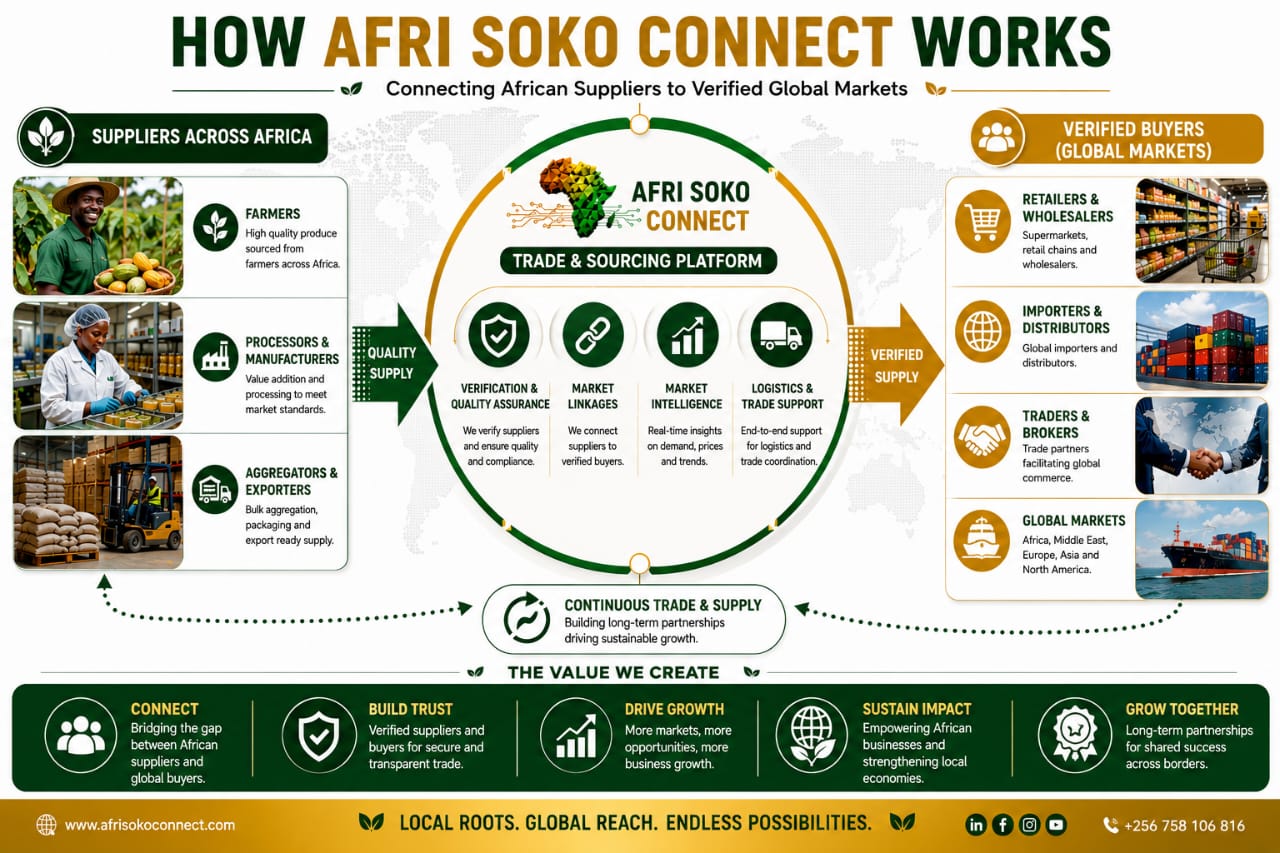
Afri Soko Connect connects farmers to verified suppliers, market intelligence, and global buyers. Join our network today.
Join →






Comments (0)
No comments yet. Be the first to comment!