Coffee Prices in Uganda Today: Complete Market Guide for 2026
Stay updated on the latest coffee prices in Uganda today! Discover what factors are influencing today's market and how it affects your favorite brew. Whether you are a farmer, exporter, roaster, or coffee enthusiast, understanding the dynamics of Uganda's coffee market is essential for making informed decisions.
Overview of Uganda's Coffee Industry
Uganda is one of Africa's leading coffee producers, ranking among the top exporters on the continent. The country is uniquely positioned as a producer of both Robusta and Arabica coffee varieties, thanks to its diverse climate and fertile soils. Coffee is Uganda's primary agricultural export, contributing significantly to foreign exchange earnings and supporting over 1.7 million farming households.
The coffee value chain in Uganda involves smallholder farmers, cooperatives, processors, exporters, and international buyers. Key coffee-growing regions include Mt. Elgon (Arabica), Rwenzori (Arabica), West Nile (Robusta), and Central Uganda (Robusta). Each region produces beans with distinct flavor profiles that are sought after by global roasters and specialty coffee markets.
Did You Know? Uganda is Africa's largest exporter of Robusta coffee and the continent's second-largest coffee producer overall. Coffee accounts for approximately 20-30% of Uganda's total export earnings annually.
Factors Influencing Coffee Prices in Uganda
Several key factors determine coffee prices in Uganda today. Understanding these variables helps stakeholders anticipate market movements and make strategic decisions.
- Global Supply and Demand: International coffee consumption trends directly impact Ugandan prices. Rising demand from emerging markets like China and India pushes prices upward.
- Climate Conditions: Droughts, floods, or temperature changes in growing regions affect harvest volumes and quality, influencing prices.
- Currency Exchange Rates: Since coffee is traded in US dollars, fluctuations in the UGX/USD exchange rate affect farmer earnings and export competitiveness.
- Global Coffee Stock Levels: According to the International Coffee Organization (ICO), lower global inventories typically drive prices higher.
- Transportation and Logistics Costs: Rising fuel prices and container shortages can increase export costs, affecting farmgate prices.
- Quality and Certification: Specialty, organic, and fair-trade certified beans command premium prices in international markets.
Current Coffee Price Trends in Uganda
As of May 2026, coffee prices in Uganda today show notable strength, driven by robust global demand and supply constraints in other producing regions. Below is a summary of current average prices:
| Coffee Type | Price Range (UGX/kg) | Market Trend |
|---|---|---|
| Robusta (FAQ) | 6,500 – 8,000 | 📈 Rising |
| Arabica (Washed, Grade 3) | 9,000 – 12,000 | 📈 Steady increase |
| Specialty Arabica | 15,000 – 25,000 | 📈 Premium demand high |
| Organic Certified | 12,000 – 18,000 | 📈 Growing interest |
These prices reflect farmgate and primary market levels. Export prices for Ugandan coffee typically range from $2.50 to $3.80 per kilogram FOB (Free on Board), depending on quality and certification.
Comparison of Coffee Prices: Uganda vs. Global Markets
Ugandan coffee prices are influenced by the New York and London futures markets. The ICO Composite Indicator currently averages 220-250 US cents per pound.
Price Comparison: Ugandan Arabica typically trades at a premium of 5-15% over the ICO indicator due to quality recognition. Robusta trades competitively with Vietnamese and Brazilian beans.
Uganda's proximity to key export routes (Mombasa and Dar es Salaam ports) provides a logistical advantage over landlocked competitors. However, infrastructure challenges can add 10-20% to export costs, affecting price competitiveness.
The Impact of Climate Change on Coffee Prices
Climate change is increasingly affecting coffee production and pricing in Uganda. Rising temperatures have forced some farmers to shift to higher altitudes, while unpredictable rainfall patterns disrupt flowering and harvesting cycles.
Pest and disease pressure, particularly Coffee Berry Borer and Coffee Leaf Rust, has intensified with changing weather patterns, increasing production costs. Adaptation efforts include climate-resilient coffee varieties and agroforestry practices.
These climate-related challenges reduce supply predictability, contributing to price volatility in both local and international markets.
Government Policies Affecting Coffee Pricing
The Ugandan government, through the Uganda Coffee Development Authority (UCDA), actively manages the coffee sector to support farmer incomes and export growth. Key policies include:
- Minimum farmgate prices – The government sets a reference price to protect farmers from exploitative buying.
- Quality control and certification – Mandatory grading ensures consistent quality for export markets.
- Subsidized seedling distribution – High-yield, disease-resistant varieties are distributed to farmers.
- Export liberalization – Private exporters can operate freely, promoting competition.
- Tax incentives for value addition – Roasters and instant coffee processors receive tax breaks.
How Coffee Prices Affect Farmers and Local Economies
Coffee prices in Uganda today directly impact the livelihoods of over 1.7 million farming households. When prices are high, farmers can invest in better inputs, education for their children, and improved housing. Lower prices lead to reduced household spending and potential abandonment of coffee farms.
Local economies in coffee-growing regions rely heavily on coffee income. Higher prices stimulate local businesses, including shops, transport services, and schools. The ripple effect of coffee price changes extends to district-level tax revenues and public services.
Future Predictions for Coffee Prices in Uganda
Industry analysts project moderate-to-strong coffee prices for the remainder of 2026. Key factors supporting prices include:
- Global supply deficits in Brazil and Vietnam (major producers)
- Rising specialty coffee demand in Europe, North America, and Asia
- Increased domestic consumption within Uganda and East Africa
- Ongoing investments in coffee quality and certification programs
Potential risks include global economic slowdowns, currency fluctuations, and climate disruptions. Farmers and exporters should stay informed and consider hedging strategies where available.
Tips for Coffee Buyers and Investors
Whether you are buying coffee for export or local roasting, consider these practical tips:
- Build direct relationships – Work directly with cooperatives or exporters to ensure quality and transparency.
- Understand seasonality – Prices typically dip during main harvests (October–February) and rise during lean seasons.
- Invest in quality – Specialty and certified coffees command significantly higher prices and more stable demand.
- Monitor global benchmarks – Track New York Arabica futures and London Robusta futures for price direction.
- Partner with local experts – Working with verified Ugandan partners reduces supply chain risks.
Conclusion: Understanding the Coffee Market in Uganda
Understanding coffee prices in Uganda today requires analyzing global market dynamics, local production factors, and policy environments. Uganda remains a competitive and growing coffee origin, with opportunities for farmers, exporters, and buyers alike.
Staying informed about price trends, quality standards, and market access channels is essential for success in the coffee industry. With continued investment in quality and sustainability, Uganda's coffee sector is positioned for long-term growth.
Ready to Trade Coffee?
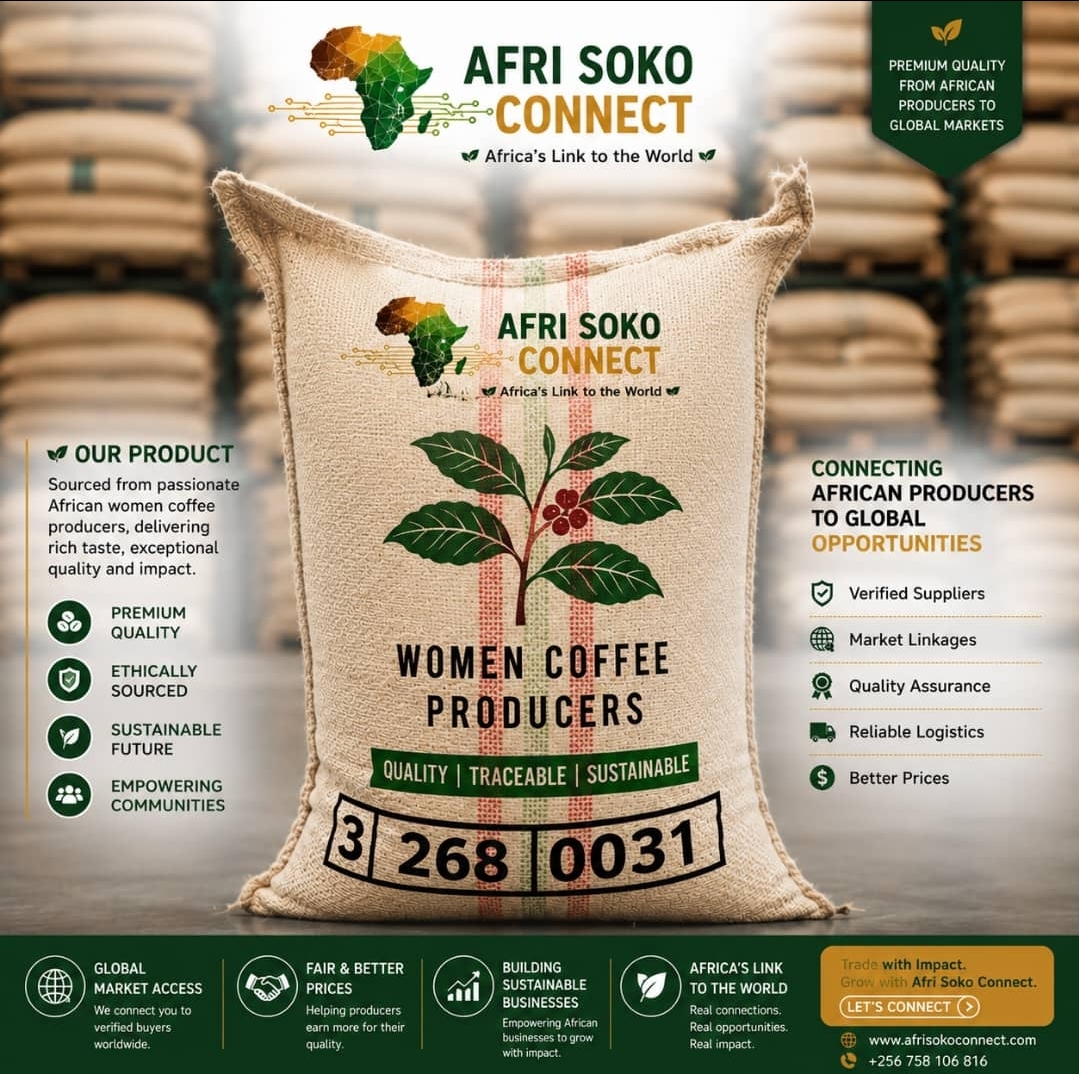
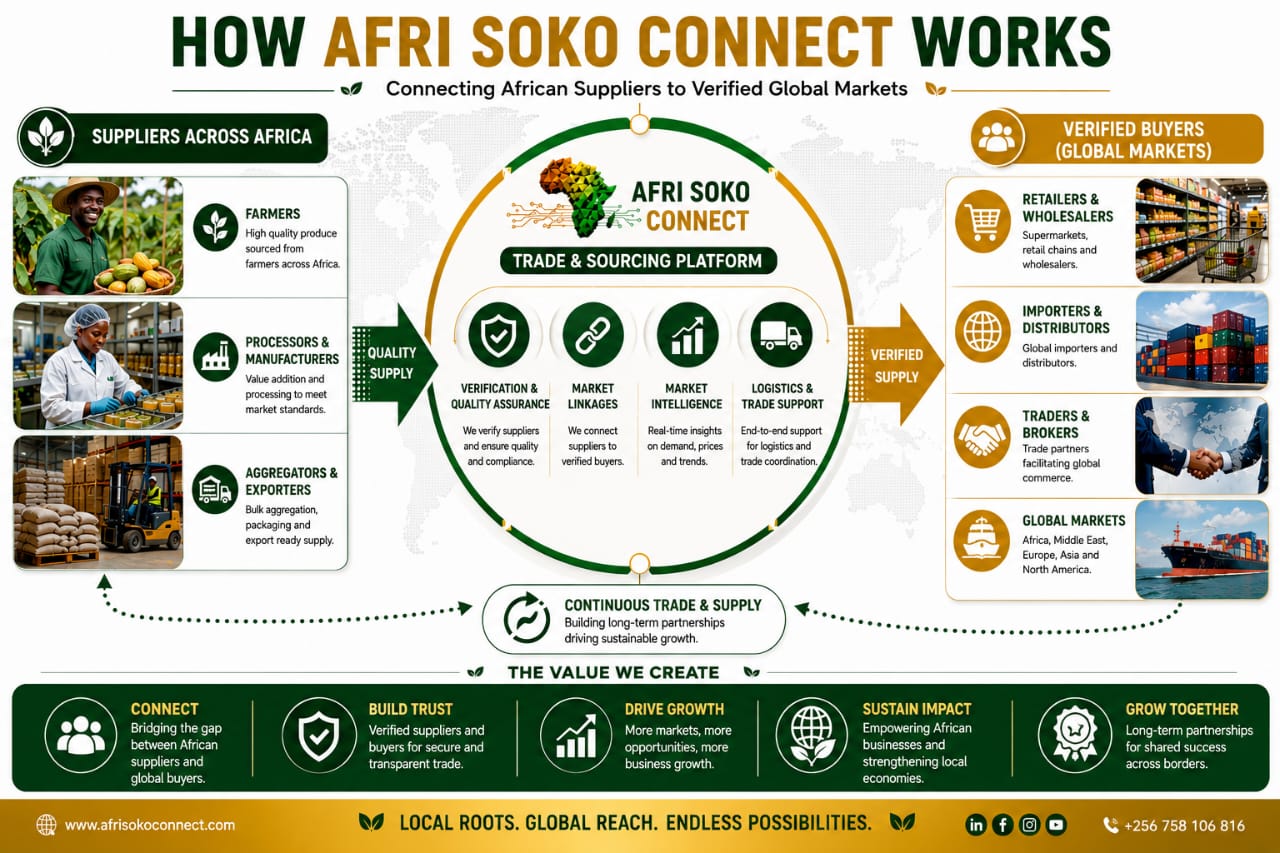
Afri Soko Connect connects coffee farmers, exporters, and buyers to verified markets. Join our network for market intelligence, buyer matching, and trade support.
Join Community





Comments (0)
No comments yet. Be the first to comment!